 |
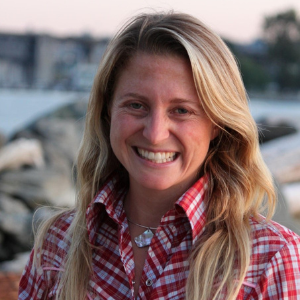
Professor of Applied Marine Ecology | Simon Fraser University, British Columbia, CanadaKeynote Theme: Socioecology – Links with Human SocietyAnne Salomon is an applied marine ecologist who collaborates closely with coastal Indigenous communities, weaving western science and traditional knowledge, to better understand tipping points in kelp forest systems, resilience of small-scale fisheries, recovery of culturally important species, and ancestral mariculture innovations such as clam gardens. By cultivating research partnerships among coastal communities, government and non-government organizations and the natural and social sciences, Anne aims to democratize conservation science and inform ecologically sustainable and socially just ocean policies.
|
Presentation: Why Future Progress in Marine Science and Policy Needs to Look to the Past and People
With global climate, biodiversity, and inequity crises squarely upon us, never has there been a more pressing time to rethink how we conceptualize, understand, and manage our relationship with nature. This is acutely true among the world’s coastal oceans where marine ecosystems provide the nutrition, livelihood, climate regulation, and well-being for over 3 billion people globally. It is conventionally assumed however, that the alteration of marine ecosystems by people is a recent phenomenon and inherently destructive. Yet, human societies have been intentionally shaping, enhancing, and sustaining biodiversity across the planet’s coastal oceans for millennia. In fact, people have been developing innovative practices to maintain resilient relationships within coastal ecosystems amid predator disturbance and extreme climatic events. By weaving ecological, archaeological, and Indigenous knowledge, I will share recent discoveries from Canada’s west coast kelp forests revealed only by looking back through time, linking ecosystems and people, and democratizing ocean science itself. Doing so can help disrupt scientific paradigms, illuminate novel interactions, and guide us towards more ecologically sustainable and socially just ocean policies.
Presentation Slides – Anne Salomon
